


Top RV Repair Issues and Solutions: Common RV Repair Tips
Owning an RV is a fantastic way to explore and enjoy the open road. But like any vehicle, RVs come with their own set of maintenance challenges. Over time, you’ll likely face some common repair issues that can be frustrating if you’re not prepared. I’ve been there, and I want to share some straightforward, practical advice to help you tackle these problems with confidence. Whether you’re a weekend warrior or a full-time traveler, these common RV repair tips will keep your home on wheels running smoothly.
Common RV Repair Tips to Keep You Rolling
RV maintenance can seem overwhelming, but breaking it down into manageable parts makes it easier. Here are some essential tips that I’ve found useful:
Regularly inspect your roof and seals. Water damage is a top concern for RV owners. Check for cracks, gaps, or worn-out seals around vents, windows, and seams. A small leak can quickly turn into a costly repair.
Maintain your tires. Check tire pressure before every trip and look for signs of wear or dry rot. Properly inflated tires improve fuel efficiency and safety.
Test your batteries and electrical system. Batteries power many RV systems, so keep them charged and clean. Inspect wiring for corrosion or loose connections.
Service your plumbing system. Winterize your pipes if you’re storing your RV in cold weather. Check for leaks and ensure your water pump is working correctly.
Keep your appliances in check. From the fridge to the furnace, regular maintenance prevents breakdowns when you need them most.
These simple steps can save you time and money down the road. Plus, they help you avoid those stressful moments when something breaks far from help.

What is the Most Common RV Repair?
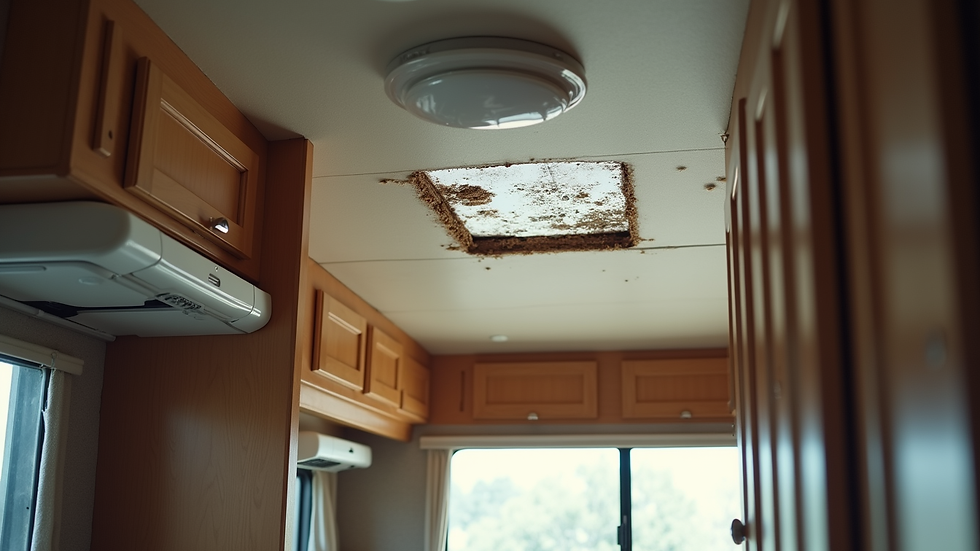
If I had to pick the most common RV repair, it would be water damage and leaks. Water is the enemy of RVs. It sneaks in through tiny cracks or failed seals and causes rot, mold, and structural damage. The roof is the most vulnerable spot, but leaks can also happen around windows, slide-outs, and plumbing fixtures.
Here’s how to handle it:
Identify the source. Look for water stains, soft spots, or mold inside your RV. Use a moisture meter if you have one.
Fix seals promptly. Use RV-specific sealants to patch cracks or reseal joints. Avoid generic caulks that may not hold up.
Replace damaged materials. If water has caused rot or mold, remove and replace affected panels or insulation.
Prevent future leaks. Clean your roof regularly and apply a protective coating every few years.
If you’re unsure about the extent of damage, it’s smart to call a professional. For those in North Texas, I recommend checking out rv fixin denton for reliable mobile RV repair services that come to you.
Electrical System Troubleshooting and Repairs
Electrical issues are another common headache. Your RV’s electrical system powers everything from lights to appliances, so when something goes wrong, it can disrupt your whole trip.
Here are some common electrical problems and how to fix them:
Dead batteries or poor charging. Check battery terminals for corrosion and clean them. Test the battery voltage with a multimeter. If batteries are old or failing, replace them.
Blown fuses or tripped breakers. Inspect your fuse box and reset breakers as needed. Replace blown fuses with the correct rating.
Faulty wiring or connections. Look for loose or damaged wires, especially around high-use areas like the battery compartment or inverter.
Generator issues. Regularly service your generator by changing oil and filters. If it won’t start, check fuel levels and spark plugs.
A good tip is to carry a basic electrical repair kit with fuses, wire connectors, and a multimeter. This way, you can troubleshoot minor issues on the road without waiting for a service call.
Plumbing Problems and How to Fix Them
Plumbing troubles can quickly ruin your RV experience. From leaks to clogged drains, here’s what I’ve learned about keeping your water system in top shape:
Leaks in pipes or fittings. Inspect under sinks and around the water heater for drips. Tighten fittings or replace damaged hoses.
Water pump failure. If your pump isn’t working, check the fuse and wiring first. Sometimes debris clogs the pump inlet, so clean it out.
Clogged drains. Use RV-safe drain cleaners and avoid pouring grease or food scraps down the sink.
Winterizing your system. Before cold weather, drain all water and add RV antifreeze to prevent frozen pipes.
If you’re dealing with a stubborn leak or pump issue, don’t hesitate to get professional help. Plumbing repairs can be tricky and messy if not done right.
Maintaining Your RV’s Tires and Brakes
Tires and brakes are critical for safety. Here’s how to keep them in good shape:
Check tire pressure regularly. Use a reliable gauge and inflate tires to the manufacturer’s recommended PSI.
Inspect tires for wear and damage. Look for cracks, bulges, or uneven tread wear. Replace tires every 5-7 years, even if they look fine.
Rotate tires if possible. This helps even out wear and extends tire life.
Brake system checks. Listen for squealing or grinding sounds. Have your brakes inspected annually by a professional.
Proper tire and brake maintenance not only keeps you safe but also improves fuel efficiency and handling.
When to Call in the Pros
Sometimes, DIY fixes just won’t cut it. Complex electrical issues, major water damage, or brake repairs often require professional tools and expertise. That’s why having a trusted mobile RV repair service nearby is a lifesaver.
If you’re in North Texas, I highly recommend rv fixin denton. They offer on-site repairs, which means you don’t have to haul your RV to a shop or wait days for service. Their quick response and skilled technicians can get you back on the road faster.
Remember, regular maintenance and early repairs prevent bigger problems. Don’t wait until a small issue turns into a costly breakdown.
Keep Your RV Adventure Ready
Owning an RV is all about freedom and adventure. By staying on top of these common repair issues, you can enjoy your travels without worry. Regular inspections, timely repairs, and knowing when to call in the pros will keep your RV in great shape for years to come.
So grab your toolkit, schedule those inspections, and keep your RV ready for the next journey. Safe travels!


Comments